
The most common home inspection problems in Detroit are moisture in the basement, foundation cracks, aging electrical and plumbing, worn roofs and poor drainage, and heating equipment near the end of its life. Most trace back to one fact: roughly nine in ten homes in the city were built before 1980, so many buyers are looking at houses with decades of wear and a few generations of repairs.
Finding a problem doesn’t automatically mean you should walk away. What matters is which issues are safety or structural red flags and which are normal aging that you can budget for. This guide goes through the issues inspectors see most, what the warning signs look like, and how to sort serious findings from routine ones.
Basement Moisture and Water Intrusion

If there’s one issue to take seriously in Detroit, it’s water. Basement moisture shows up in older homes everywhere, but the city adds a local factor: it relies on a combined sewer system, where stormwater and wastewater share the same pipes. During heavy rain, those pipes can become overwhelmed, and water can back up into basements. The June 2021 storm, which dropped more than six inches of rain in about twelve hours, left thousands of households reporting basement water and sewage backups. A University of Michigan study of Detroit homes found that most of those that had flooded before had mold in the basement.
An inspector looks for the signs that a basement has had trouble:
- Staining or tide lines on walls and floors
- White, chalky residue (efflorescence) on masonry
- A musty smell, or a freshly painted lower wall that might hide staining
- A sump pump that’s missing, old, or not working, and whether it has battery backup
- Floor drains and signs of past backups
- Downspouts that dump water next to the foundation, and grading problems that slope toward the house
A dry basement on inspection day doesn’t settle the question, because moisture comes and goes with weather. If the signs are there, a mold inspection can help determine whether growth is present. Ask your insurance agent, too, about sewer-backup coverage, since standard homeowners policies often exclude it unless an endorsement is added.
Foundation Cracks and Structural Movement
Nearly every older foundation has some foundation cracks, and most are harmless. Thin, vertical hairline cracks often come from normal settling or concrete curing. The ones that raise concern look different:
- Horizontal cracks, or walls that bow inward
- Stair-step cracks in block or brick
- Cracks that are wide, growing, or leaking
- Doors and windows that stick, sloping floors, or gaps where walls meet ceilings
Michigan’s freeze-thaw cycles add stress, since water that gets into small cracks expands when it freezes. An inspector can flag structural movement and tell you whether a crack looks stable, but a serious pattern usually calls for a structural engineer’s opinion before you decide, because repairs can be significant.
Aging Electrical Systems
Electrical findings are common in older houses, and they’re often safety-related. Inspectors regularly see knob-and-tube wiring in homes built before the 1950s, ungrounded outlets, undersized or outdated panels, overloaded circuits, and amateur wiring from past DIY projects. Knob-and-tube isn’t automatically an emergency, but it wasn’t designed for modern electrical loads, and some insurers hesitate to cover homes where it’s still in service. If an inspector flags a concern, a licensed electrician should evaluate it and give you a scope and estimate.
Plumbing Leaks and Aging Lines
Plumbing leaks may start small, such as a drip under a sink or a stain on a ceiling below a bathroom, but they point to wear. In older homes, inspectors watch for corroded supply lines, cast iron drain pipes that are clogged or deteriorating, galvanized pipes that restrict flow, and water heaters past their expected life. Some older homes also have lead in supply lines or fixtures, which is worth testing for if the home has original plumbing. Visible leaks, low pressure, and slow drains are all clues about what’s behind the walls.
Roof, Attic, and Exterior Problems
Roofs take a beating from Michigan winters. Inspectors look for worn or missing shingles, damaged flashing around chimneys and vents, clogged gutters, and sagging areas. Roof damage often shows up inside first, so the attic matters too. Thin or uneven attic insulation, poor ventilation, and stained decking all suggest leaks or trapped moisture, and they can contribute to ice dams, where melting snow refreezes at the roof edge and backs water under the shingles.
Outside, they check window defects like failed seals, rotted frames, and drafts, plus siding, trim, porches, and the grade around the house. Many of these items are what inspectors call deferred maintenance: not dramatic individually, but they add up, and they let water in over time.
Heating and Cooling Equipment Near the End of Life
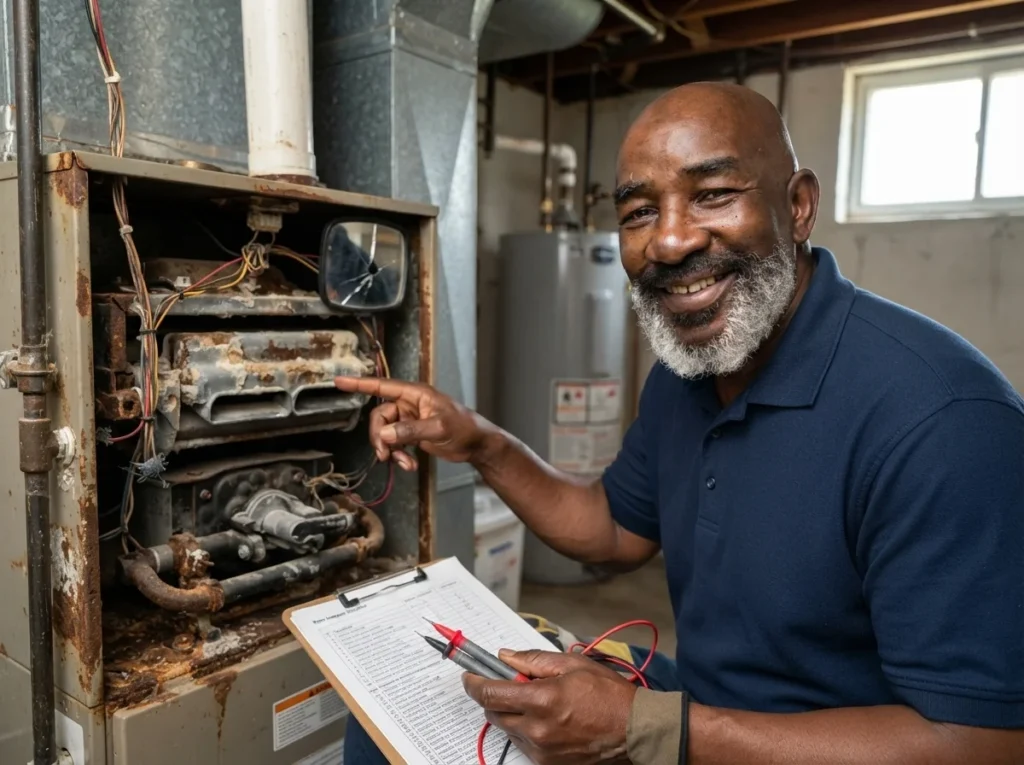
Furnaces, boilers, and air conditioners in older homes are often decades old. An aging unit isn’t necessarily a defect, but it’s a future expense, and it can be less efficient and costlier to repair. Inspectors check basic operation, visible rust or leaks, venting, and safety concerns like carbon monoxide risks. Knowing the age and condition of the equipment helps you budget for aging systems you’ll likely replace.
Lead, Asbestos, and Radon: Hazards a Visual Inspection Can’t Settle
Some of the most important issues in older homes aren’t visible at all. Houses built before 1978 may contain lead-based paint, and older materials, such as certain insulation, flooring, or pipe wrap, may contain asbestos. A visual inspection can flag suspect materials, but confirming them requires testing, and sellers must disclose known lead hazards in pre-1978 homes.
Radon is a related concern. Michigan’s environmental agency has found elevated radon in all 83 of the state’s counties, and state data show roughly one in six homes tested in Wayne County came back above the action level. Every home should be tested. A radon inspection can be added to the same visit.
Which Findings Are Red Flags and Which Are Normal?
A long report is normal for an older home. The useful step is sorting it:
- Safety hazards: exposed or faulty wiring, gas or carbon monoxide risks, missing railings. These need attention regardless of cost.
- Structural and moisture problems: active water entry, foundation movement, rot. These are the findings most likely to change your decision and often need a specialist.
- Aging systems: an old roof, furnace, or water heater. They’re budgeting items, and sometimes negotiating points.
- Maintenance and cosmetic items: worth knowing about, but rarely deal-breakers.
For anything significant, get a specialist’s opinion and a repair estimate before responding to the seller, so you’re negotiating with real numbers. The full process, from inspection window to closing, is laid out in our home inspection guide for Detroit buyers.
Frequently Asked Questions
Is a long inspection report a bad sign?
Not by itself. Older homes produce long reports. What counts is how many findings are safety or structural issues versus routine maintenance.
Are foundation cracks always serious?
No. Thin, stable hairline cracks are common. Horizontal cracks, bowing walls, and cracks that grow or leak deserve a closer look.
Should I walk away from a home with basement moisture?
Not automatically, but it’s worth understanding the cause. Ask your inspector, whether that’s Sabreezz Home Inspection or another company, to explain what’s driving it and whether it looks like a simple fix or a larger problem.
Ready to Schedule Your Inspection?
If you’re under contract on a Detroit-area home, a thorough inspection helps you see which of these issues apply before you close. You can book your home inspection as soon as your offer is accepted.