
A home inspection in Detroit, MI is a visual, non-invasive review of a property’s major systems, usually done after your offer is accepted and before the inspection period in your purchase agreement runs out. It gives you a clear picture of the home’s condition before you’re committed, and in Detroit that picture matters more than usual: roughly nine in ten homes in the city were built before 1980, so age-related problems are the norm, not the exception.
This guide walks you through why a pre-purchase home inspection matters, what it covers, the issues that come up most in older Detroit-area homes, how the timeline works from offer to closing, how to read the report, what it costs, and how to choose an inspector.
Why a Home Inspection Matters Before You Close
When you’re under contract, most purchase agreements include an inspection contingency: a window of time in which you can have the property inspected and, depending on the terms, negotiate repairs, ask for a credit, or step back from the deal. That window is your opportunity to learn what you’re actually buying.
A seller’s disclosure statement doesn’t replace it. Michigan sellers of most residential property are generally expected to complete one, but it reflects only what the seller knows and chooses to report. An inspector brings a trained, independent eye.
It helps to be clear about what an inspection is not. It doesn’t guarantee that nothing will go wrong after closing, it doesn’t tell you what the home is worth, and it’s a visual assessment, so it can’t see inside walls or under finished floors. Think of it as buyer due diligence that turns unknowns into known items you can plan around.
What a Residential Home Inspection Covers
A standard residential home inspection looks at the home’s main components and systems:
- Foundation and structure. Cracks, settlement, bowing, and signs of movement, plus the framing where it’s visible.
- Roof and exterior. Shingles and flashing, gutters and downspouts, siding, windows, doors, and grading around the house.
- Basement and crawl space. Moisture, staining, efflorescence, and water entry points.
- Attic. Insulation, ventilation, and signs of leaks.
- Electrical system. The panel, wiring condition, grounding, outlets, and visible safety hazards.
- Plumbing system. Supply and drain lines, fixtures, water heater, and signs of leaks.
- HVAC system. Furnace or boiler, air conditioning, and basic operation.
- Interior. Floors, ceilings, walls, stairs, and the way doors and windows operate.
The goal is to flag moisture intrusion, structural concerns, safety issues, and systems nearing the end of their service life. Specialty concerns, like radon, mold, or wood-destroying insects, usually fall outside a standard inspection and are added separately.
What Detroit Buyers Should Know About Older Homes
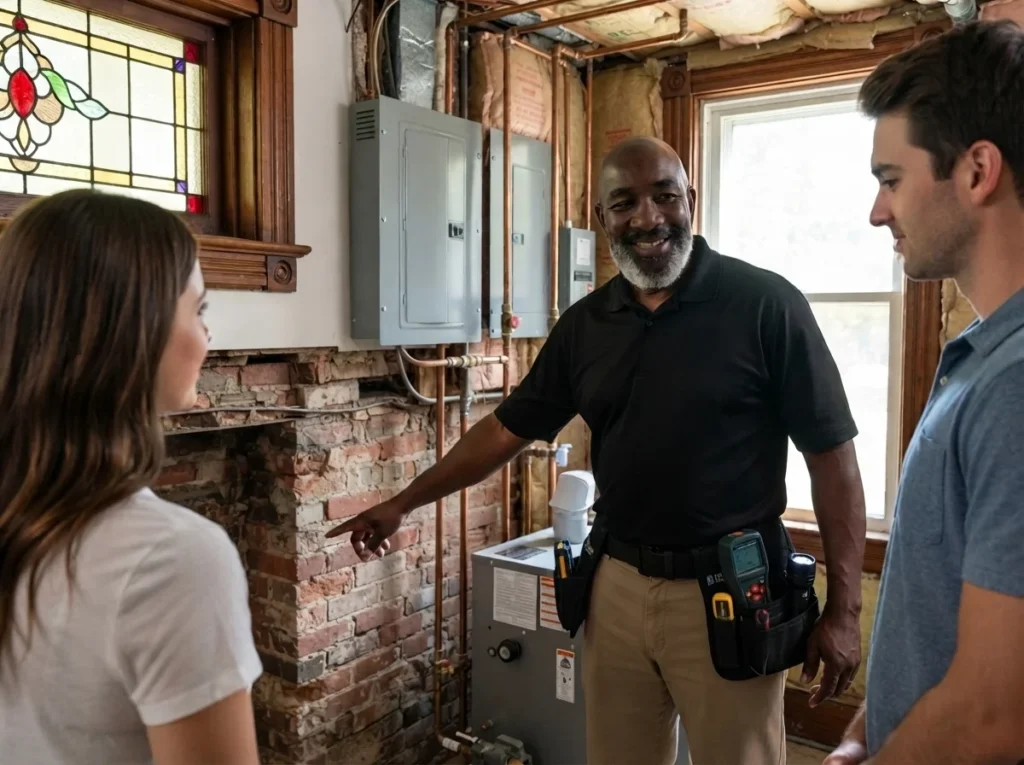
Housing age shapes what inspectors find. Analyses of Census data show that about 92 percent of Detroit’s housing stock was built before 1980, and most of the city’s homes predate 1978. That matters in several concrete ways:
- Basements and foundations. Older foundations commonly show cracking, and basement moisture is one of the most frequent findings in older homes. Signs like staining, efflorescence, or musty smells can indicate water problems even if the basement is dry on inspection day.
- Electrical systems. Knob-and-tube wiring was common in homes built before the 1950s. It can be a safety concern, and some insurers hesitate to cover homes where it’s still in use. If it’s present, a licensed electrician should evaluate it.
- Plumbing. Older homes may have corroded supply lines, aging cast iron drains, or other older materials that fail with age.
- Lead and asbestos. Homes built before 1978 may contain lead-based paint, and older materials may contain asbestos. Federal rules require sellers to disclose known lead hazards in pre-1978 homes, but testing can reveal what disclosure doesn’t.
- Heating and roofing. Furnaces, boilers, and roof coverings in older homes are often near the end of their life, and previous renovations or DIY work sometimes hide problems.
Radon is a local concern too. Michigan’s environmental agency reports elevated radon in all 83 of the state’s counties, and state data show that about one in six homes tested in Wayne County came back above the action level. Radon is invisible and odorless, and every home should be tested regardless of its location. A professional radon inspection is an easy way to add that check to your inspection day.
From Offer to Closing: How the Inspection Timeline Works
- Schedule right away. Your inspection window is limited, so book as soon as the offer is accepted. Check your purchase agreement for the exact deadline.
- Attend if you can. Most inspections take roughly two to four hours, depending on the home’s size and condition. Being there lets you ask questions and see issues in person.
- Receive the report. The written inspection report typically arrives within a day or two and usually includes findings and photos.
- Decide with your real estate agent. Depending on the findings and your contract, you can ask the seller to make repairs, request a credit or price reduction, or, within your contingency, walk away.
- Bring in specialists if needed. Serious findings, such as structural concerns, electrical issues, or sewer problems, often need a specialist’s opinion before you decide.
- Verify repairs. If the seller agrees to repairs, a re-inspection confirms the work was completed properly.
- Final walkthrough and closing. Before closing, you confirm the home’s condition one last time.
How to Read an Inspection Report
A long report can feel alarming, but most of it is usually minor. It helps to sort findings into groups:
- Safety issues, such as exposed wiring, gas leaks, missing handrails, or carbon monoxide risks. These are urgent no matter what they cost.
- Structural and moisture problems, like foundation movement or active water entry. These are the findings most likely to affect your decision, and they often need specialist evaluation.
- Systems near end of life, such as an old roof, furnace, or water heater. These aren’t defects today, but they’re future expenses to budget for.
- Maintenance and cosmetic items, which are worth knowing about but rarely affect the deal.
Not every item belongs in a negotiation. Focus requests on safety, structural, and moisture issues, and treat smaller items as your own to-do list. For significant findings, get repair estimates before deciding how to respond. That way, you’re negotiating with numbers, not guesses.
What Does a Home Inspection Cost in Detroit?
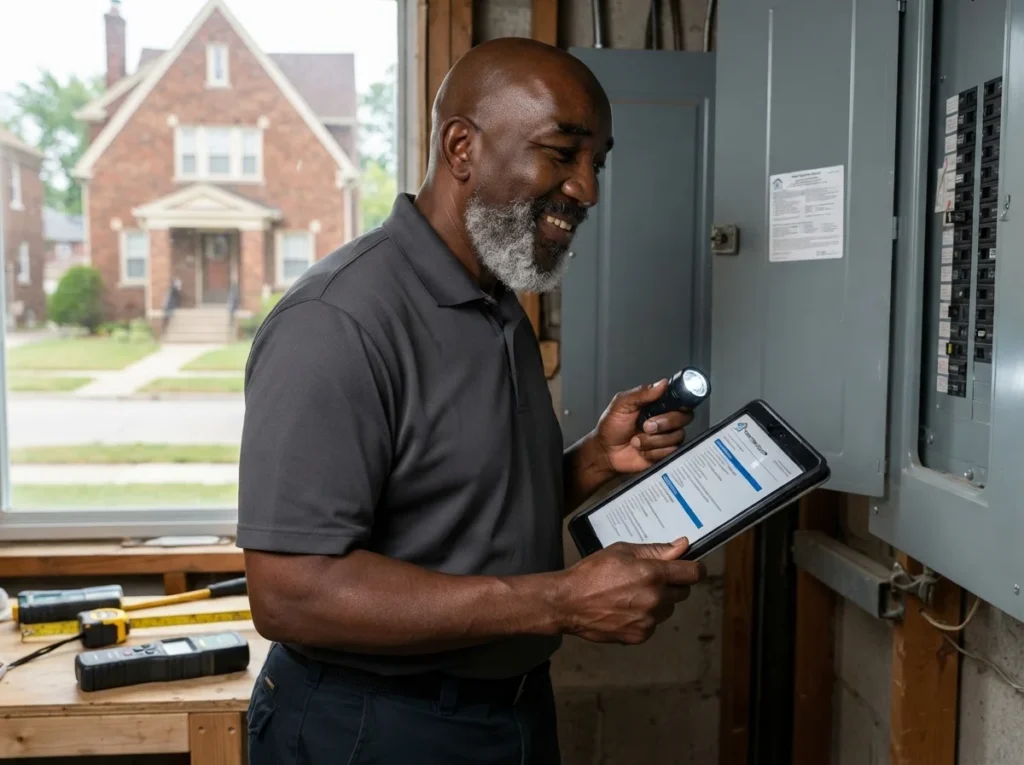
Home inspection prices vary. For a standard single-family home, general estimates often fall somewhere around $300 to $600, with larger or older homes costing more. Optional add-ons like radon testing, mold assessment, or termite inspection are usually priced separately.
Please note: These prices are estimates only and are not confirmed. Final cost depends on the home’s size, age, condition, property type, the add-on services you choose, and other factors. A quote from your inspector before booking is the only reliable number.
Compared with the cost of the home, it’s a small expense, and one that can help you avoid unexpected repair bills after closing.
Choosing a Home Inspector
Michigan doesn’t license home inspectors at the state level, so the quality of the inspector is something you evaluate yourself. A few questions help:
- Are they a member of a professional association, such as ASHI or InterNACHI, and what training do they have?
- Do they carry insurance, and do they follow a published standard of practice?
- Can they share a sample report so you can see how findings are presented?
- How soon will you receive the report, and may you attend the inspection?
- Do they offer add-on inspections, like radon, mold, or termites, so you can handle everything in one visit?
Local experience counts, too. An inspector who regularly works in older Detroit-area homes knows where problems tend to hide. Sabreezz Home Inspection serves buyers across Detroit, Wayne County, and Metro Detroit, so it’s one option to consider as you compare.
Frequently Asked Questions
Should I attend the home inspection?
If you can, yes. Seeing issues first-hand and asking the inspector questions helps you understand the report later.
Can the seller’s inspection replace mine?
It’s better to have your own. An inspection ordered by the seller works for the seller, while yours is done for you.
What if the inspection finds serious problems?
You have options within your contingency: negotiate repairs, a credit, or a lower price, or step back. Your real estate agent can walk you through how that works under your contract.
Is a home inspection still worth it on a newer home?
Yes. Newer homes can have construction defects, drainage problems, or installation errors that aren’t visible to a buyer.
Ready to Schedule Your Inspection?
If you’re under contract on a Detroit-area home, the sooner you schedule, the more time you have to review the findings and decide. You can book your home inspection as soon as your offer is accepted.